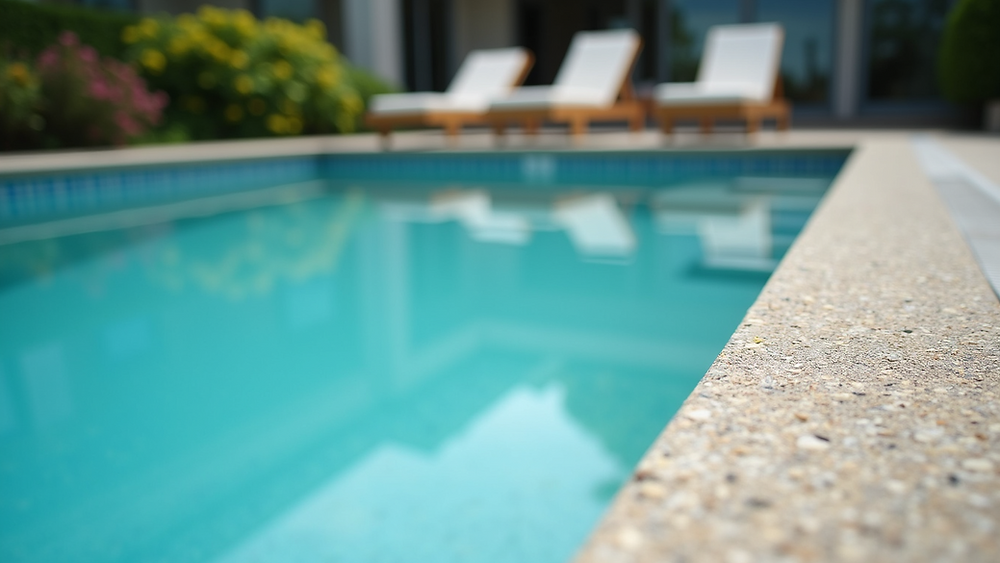
A sparkling swimming pool is often the heart of backyard entertainment, a place for relaxation, exercise, and family fun. However, like any cherished feature, pools require ongoing care, and eventually, a transformation. If your pool is showing its age with faded surfaces, cracked tiles, or outdated equipment, you're likely contemplating a renovation. Understanding the pool renovation cost is the crucial first step in turning your vision of a refreshed backyard oasis into a reality. While the investment can range significantly, typically falling between $8,000 and $25,000 for a comprehensive remodel, breaking down the various components will help you budget effectively and avoid surprises.
Renovating your pool is more than just a cosmetic upgrade; it's an investment in your property's value, your family's enjoyment, and the longevity of your outdoor haven. This guide will meticulously break down the typical expenses involved, from essential resurfacing to luxurious upgrades, providing practical insights to help you navigate your pool renovation journey.
The Core Elements of Pool Renovation Costs: Resurfacing, Tiling & Equipment
Most pool renovation projects begin by addressing the fundamental elements that dictate both the pool's appearance and its functional integrity. These are often the most significant line items in your overall budget.
Resurfacing Your Pool: A Fresh Foundation
The interior surface of your pool is its skin, and over time, it can become rough, stained, or even develop cracks, leading to leaks and an uninviting appearance. Resurfacing is arguably the most impactful aspect of many pool renovations, directly addressing the pool's interior shell. It's essential for maintaining not just the aesthetics but also the structural integrity and water quality. Expect pool resurfacing costs to range from $4,000 to $10,000, depending on your pool's size and the chosen finish.
- Plaster: Traditional white plaster is the most economical option, often costing between $4,000 and $7,000 for a standard 15x30-foot pool. While offering a classic look, it may require more frequent maintenance and resurfacing cycles (typically every 7-10 years) compared to other materials.
- Quartz: Incorporating quartz aggregates provides a harder, more durable surface with a richer color palette. These finishes generally fall in the mid-range, offering enhanced longevity and a more vibrant aesthetic.
- Pebble: For superior durability and a natural, textured appearance, pebble finishes are a premium choice, often pushing prices to $8,000 or more. Pebble surfaces are incredibly long-lasting (15-20+ years) and highly resistant to chemical staining and etching, providing excellent value over the long term.
Choosing the right finish depends on your budget, desired aesthetics, and long-term maintenance goals. A quality resurface can extend your pool's life by decades.
Elevating Aesthetics with Tile Replacement
Pool tiles play a crucial role in both the functionality and visual appeal of your swimming area. They protect the waterline, mark steps, and provide decorative accents. Replacing old, cracked, or discolored tiles can dramatically alter your pool's appearance and prevent further water damage. Whether you're refreshing the waterline, updating step markers, or adding decorative mosaics, tile replacement is a significant component of your overall pool renovation cost. You can anticipate spending between $2,000 and $8,000, with variations based on the type of tile, complexity of the pattern, and the total area to be covered.
Options range from classic ceramic and porcelain tiles, which offer durability and a wide array of colors, to more luxurious glass tiles that provide shimmering effects and a high-end look. Beyond aesthetics, new tiles address existing issues like sharp edges or loose grout, improving safety and functionality.
Modernizing for Efficiency: Equipment Upgrades
Beyond the visual appeal, upgrading your pool's essential equipment can lead to significant improvements in efficiency, performance, and long-term savings. Modern pumps, heaters, and filtration systems are often more energy-efficient, quieter, and require less maintenance than their older counterparts. Budget approximately $1,000 to $5,000 for these crucial upgrades, though this can vary based on the specific equipment and the extent of automation desired.
- Variable-Speed Pumps: These are a must-have for energy savings, reducing electricity consumption by up to 90% compared to single-speed models.
- High-Efficiency Heaters: New heat pumps or gas heaters can significantly lower your utility bills while extending your swimming season.
- Advanced Filtration Systems: Upgrading to a cartridge or D.E. filter can improve water clarity and reduce the need for harsh chemicals.
- Automation Systems: Smart systems allow you to control pumps, lighting, heaters, and more from your smartphone, enhancing convenience and reducing manual effort.
These investments contribute to a more enjoyable and cost-effective pool ownership experience.
Addressing the Essentials: Repairs and Structural Integrity
Sometimes, a renovation isn't just about aesthetics but about necessity. Addressing underlying issues like leaks, cracks in the pool shell, or faulty plumbing is paramount. While these repairs might not offer the immediate visual 'wow' factor of new tiles, they are critical for the pool's structural integrity and preventing more costly problems down the line. The cost for such repairs can vary wildly, depending on the severity and accessibility of the damage. A renovation focused primarily on critical repairs and a fresh resurface might fall on the lower end of the overall pool renovation cost spectrum but yield fantastic results in terms of restoring functionality and safety.
Expanding Your Oasis: Decking, Landscaping & Additional Features
A truly transformative pool renovation often extends beyond the pool itself, integrating seamlessly with your broader outdoor living space.
Deck Updates and Surrounding Landscape Integration
The area surrounding your pool is just as important as the pool itself. Updating your pool deck or integrating new landscaping elements can transform your entire outdoor living space. This might include replacing worn coping (the capstone around the pool's edge), installing new decking materials (pavers, stamped concrete, wood alternatives), or adding planting beds and pathways. Costs for these enhancements can range from $3,000 to $15,000, creating a cohesive and inviting environment that complements your newly renovated pool.
Choosing durable, slip-resistant decking materials is essential for safety, while strategic landscaping can provide privacy, shade, and a vibrant backdrop. Thoughtful lighting design around the deck and pathways can also extend the usability and ambiance of your pool area into the evenings.
Beyond the Basics: Adding Luxury Features
For those looking to elevate their pool experience further, adding custom features can turn a simple pool into a true backyard resort. Popular additions include waterfalls, slides, tanning ledges, or advanced automation systems and pool covers. While these pool upgrades can significantly enhance enjoyment and convenience, their cost varies widely. For instance, installing new LED lighting or upgrading to a saltwater system can add several thousand dollars to your total pool renovation cost, but these investments often pay off in enhanced ambiance and reduced chemical maintenance, respectively. Custom water features, slides, or integrated spas can easily add $5,000 to $15,000+ to your budget.
Factors Influencing Your Total Pool Renovation Cost
Understanding the key variables that drive expenses is crucial for accurate budgeting. For a more in-depth look at these elements, you might find our article Understanding Pool Renovation Costs: Factors That Influence Your Budget particularly helpful.
Scope of Work and Pool Size
It's logical that a small pool requiring only minor cosmetic changes will cost less than a large pool undergoing a complete overhaul. The 'scope of work' – whether you need a simple resurface or a structural repair, new equipment, and a full deck replacement – is the primary driver of your final pool renovation cost. Larger pools naturally require more materials and labor for resurfacing, tiling, and even filling, escalating expenses.
Material Selection and Finishes
As highlighted in resurfacing and tiling, the choice of materials plays a pivotal role. Premium finishes like pebble tec, glass tiles, or exotic decking materials will significantly increase the overall investment compared to standard plaster, ceramic tiles, or basic concrete decking. Balancing aesthetics, durability, and budget is key here, often involving a trade-off between upfront cost and long-term value.
Labor and Regional Differences
Labor costs can fluctuate based on your geographic location and the expertise of the contractors you choose. Regions with a higher cost of living or strong demand for skilled pool professionals will naturally have higher labor rates. Always seek multiple quotes to understand the prevailing rates in your area and ensure you're working with reputable, experienced professionals. To get a more detailed understanding of how these elements combine, read our comprehensive guide on Pool Renovation Costs: What to Expect for Your Backyard Oasis.
Budgeting for Your Pool Renovation: Smart Strategies & Tips
Embarking on a pool renovation project requires careful planning, especially when it comes to finances. Here are some smart strategies to help you manage your pool upgrade cost effectively:
- Define Your Priorities: Distinguish between 'must-haves' (e.g., critical repairs, resurfacing due to leaks) and 'nice-to-haves' (e.g., a new waterfall, premium lighting). This helps allocate your budget where it matters most.
- Get Multiple Quotes: Always obtain at least three detailed bids from reputable pool renovation contractors. This allows you to compare pricing, understand what's included, and assess contractor professionalism. Ensure quotes are itemized so you can see where your money is going.
- Factor in a Contingency: Unforeseen issues can arise, especially with older pools (e.g., discovering hidden plumbing problems or deeper structural damage). Allocate an additional 10-15% of your budget for contingencies to avoid financial stress and project delays.
- Consider Long-Term Value: Sometimes, investing a little more upfront in durable materials or energy-efficient equipment can lead to significant savings and enjoyment over the lifespan of your pool. Cheaper options might cost more in the long run through increased maintenance or shorter lifespans.
- Research Financing Options: If the upfront cost is a concern, explore options like home equity loans, personal loans, or contractor financing to make your dream renovation achievable without depleting your savings.
- Check for Permits: Depending on the scope of your renovation and your local regulations, you may need permits. Factor in any associated fees and potential inspection delays into your timeline and budget.
Undertaking a pool renovation is a substantial investment, but it's one that consistently delivers immense value, transforming not just your pool but your entire outdoor living space. By understanding the various components of pool renovation cost – from essential resurfacing and tile work to modern equipment upgrades and luxurious additions – you can approach your project with confidence and clarity. With careful planning, smart budgeting, and the right professional team, you can refresh your pool, enhance its functionality, and create a stunning oasis that provides years of enjoyment for you and your family.